What Mistakes Should Organisers Avoid When Hiring Event Guard Security?


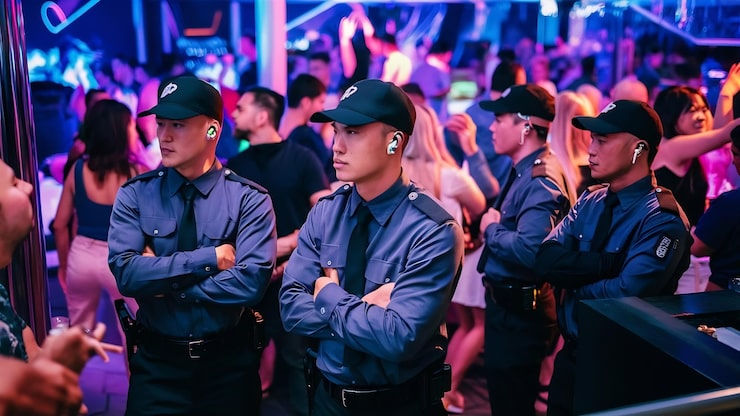
Organising a gathering brings excitement and pressure, and each choice shapes the mood of the entire day. Careful planning supports calm movement and keeps stress low as people arrive. Many organisers now study simple details with greater focus because safety plays a big role in every setting, and good planning creates smooth flow. A clear structure grows even stronger when organisers include event guard security in the middle of their safety plan.
Each event carries its own energy, and organisers guide this energy with steady judgement. They look at paths, team roles, and safety steps that support comfort and confidence. Small errors can grow during busy moments, so organisers need simple guidance to avoid common mistakes. The sections below explain these mistakes in easy wording so organisers can shape safer events with strong awareness.
Lack of Clear Risk Planning
A safe event begins with early risk checks, and organisers prepare better when they study the venue with steady focus. Each gathering moves through different phases, and these phases bring pressure points. Clear risk planning helps the team shape a safe and steady path.
Before organisers move forward, they need simple tools that guide this early stage. The three pointers below help them understand what matters most and how these ideas shape better results.
Strong Risk Planning
Study how people may move through each area to notice spots where tension may rise.
Look at entry and exit points to understand how people may arrive and leave without strain.
Observe the layout and identify blind spots where guards need stronger visibility.
Organisers strengthen their plan when they treat risk planning as a first step. This early view shapes the rest of the event because it helps the team act with simple awareness.
Choosing Guards Without Skill Checks
Good security begins with skilled guards, and organisers must check abilities before giving duties. Guards guide movement, manage tension, and react when changes appear, so their skills shape the entire event. Quick choices often lead to weak results because guards may not fit the needs of the gathering.
Skill checks help organisers understand each guard’s strength and style. The pointers below show how to make better choices and build a team that fits the event.
Skilled Guards:
Check each guard’s communication to see if they guide people with clear wording.
Look at reaction time to confirm quick action when signs of strain appear.
Confirm physical readiness so each guard moves with a steady pace.
These steps help organisers build a strong team. When organisers use these checks early, they avoid confusion that grows when guards lack proper skills.
Ignoring the Scale and Mood of the Gathering
Every event has a unique mood, and organisers must study crowd size and energy. These details shape the security plan and help avoid weak coverage. A quiet setting needs a different structure than a fast-moving one, and organisers gain better results when they match guard numbers with the tone.
As organisers prepare, they need clear guidance to match the event’s scale with practical decisions. The pointers below help them adjust guard roles so each one stands where they bring the most value.
Matching Scale and Mood:
Note the crowd size to understand how many guards stand in busy areas.
Study the event’s pace to choose guards who match the needed awareness.
Adjust guard roles to keep calm areas smooth and lively areas controlled.
When organisers understand scale and mood, they build a balanced plan that keeps movement safe.
Placing Guards Without Considering Crowd Behaviour
People move in patterns, and organisers must study these patterns to avoid weak guard placement. Wrong placement creates blind spots, and blind spots slow response. Guards who stand in the wrong area struggle to guide movement.
Crowd behaviour shifts through the day, and organisers must follow these changes with thoughtful placement. The pointers below show how to place guards with purpose so each move supports safety.
Guard Placement:
Track natural movement paths and place guards near high-flow areas.
Study how energy rises in certain spots and position guards where calm control is needed.
Move guards as flow changes so they stay effective at every stage.
When guards stand in the right places, people move with ease and stress stays low.
Planning Insight
Organisers often need a quick way to see how each part of the plan supports safety. A simple table makes it easy to compare ideas and choose steps that boost control. The table below shows how core planning areas shape safer events.
Planning Step | Purpose | Safety Impact |
Guard placement | Improve visibility | Supports quick response |
Risk review | Spot early pressure | Helps prevent confusion |
Team guidance | Give clear tasks | Keeps structure steady |
Communication tools | Share updates | Builds fast reactions |
This layout helps organisers check their plan and make steady improvements.
Failure to Guide Guards With Clear Instructions
Clear instructions keep guards steady. Some organisers rush through briefings, and guards begin their tasks with little direction. Strong guidance creates unity and helps guards move with confidence. Organisers need to share simple details so each guard knows how to act with sharp judgement.
When organisers explain goals, paths, and busy spots, guards understand the plan and support smooth flow across the event.
Not Linking Security With the Larger Event Plan
A security plan grows stronger when it connects with the full event plan. Some organisers plan security alone, and this creates gaps. Guards need context to act with clarity. When organisers link teams, every group works toward the same goal. This unity makes event guard security stronger in action.
Rushing Decisions About Support Teams
Large events often need support teams to reduce pressure on guards. When organisers forget this step, guards face too much strain. Early planning helps organisers choose helpful support options that keep the event steady.
Support teams create smoother movement, help people with simple needs, and keep guards focused on safety.
Forgetting the Rules That Shape Security Duties
Events include important rules that protect people, and organisers must understand these duties. When they ignore these rules, they place the event at risk. Clear knowledge helps organisers guide their teams with confidence and shape a safer plan.
Conclusion
Safe events grow from steady planning and calm judgment. Organisers avoid most mistakes when they understand risk, choose skilled guards, match event tone, and guide teams with a clear structure. Each careful step strengthens the next and helps the event move with a smooth rhythm. When organisers follow these ideas, they shape a safe space where comfort and order stay strong.
FAQs
Why should organisers plan early when they want to hire security for the event?
Early planning gives time to study each area, organise guard duties, and shape a strong layout that supports safe movement.
How do organisers choose the right number of guards when they need to hire security for the event?
They study the venue size, expected crowd flow, and movement paths to decide how many guards offer steady control.
What skills matter most when organisers try to hire security for the event?
Clear communication, quick thinking, strong awareness, and calm movement matter most because these skills support safe flow.
Why does guard placement shape event safety so strongly?
Placement supports clear views, fast reactions, and steady movement across the venue, which keeps tension low and order strong.

Comments