The Impact of Event Security Guards on Public Event Safety


Public events pull people together for joy, culture, and shared moments. Yet large crowds demand smart planning and strong safety steps. From concerts to fairs, each detail shapes how secure guests feel. A clear and organised space lets people focus on fun without worry. In this setting, a security guard for events guides behaviour and holds order in plain sight. When safety feels steady and natural, trust grows fast. As a result, events turn into friendly spaces where people relax, smile, and enjoy every moment.
Why Visible Guards Shape Crowd Behaviour
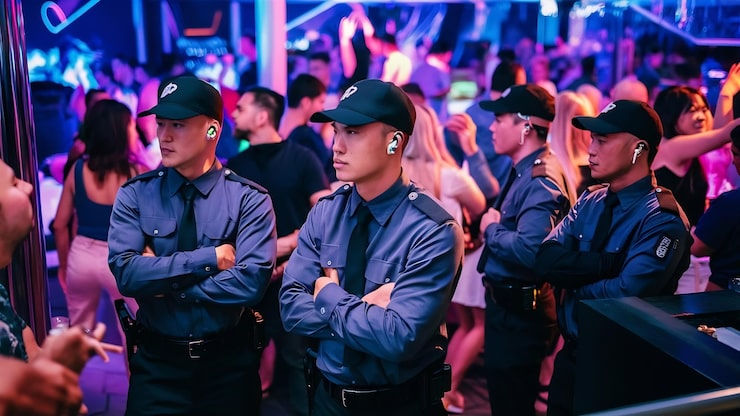
Guards stand where people can see them. This presence sends a clear message. When people spot authority, they adjust their actions. Because rules feel present, crowds move with care. So guests focus on enjoyment, not fear.
Guards signal control and calm.
Guests follow signs and directions.
Tension drops during busy moments.
Because of this, events run with fewer clashes. Yet guards do more than watch. They guide movement and protect space.
The Power of First Impressions
Guests form views within moments of arrival. A calm guard at the gate builds trust. When entry feels smooth, people stay relaxed. So the mood stays positive from the start.
Crowd Flow and Safe Movement
Crowds need direction. Guards guide foot traffic and protect exits. When people know where to go, pushing fades. Because of this, spaces stay open and safe.
How Guards Prevent Trouble Before It Starts
Guards read faces, movement, and space. When risk appears, they act at once. So small issues stop growing. This skill defines strong event guard security.
While guards even scan entrances and exits.
Also, guards split the heated groups.
Even guards remove banned items.
When action comes early, harm fades. So safety stays strong without drama.
Spotting Early Warning Signs
Anger shows through posture and tone. Guards notice these signs with care. When they step in, calm returns. Because of this, disputes end before damage starts.
Managing Alcohol-Related Risk
Crowds with drinks need balance. Guards watch behaviour and step in when limits are broken. So guests stay safe, and events keep order.
Managing Emergencies With Clear Action
Emergencies test every plan. Guards train for these moments. When alarms sound, they lead people to safety. Panic fades when clear voices lead the way.
While guards guide exits during danger.
They even support injured guests.
Also, guards link with the emergency teams.
Because leaders act, crowds follow. So risk shrinks, and trust grows.
Fire and Evacuation Control
Fire brings fear. Guards guide exits and clear paths. When people move with purpose, injury risk drops. So safe action replaces chaos.
Medical Response at Events
Injuries happen at busy events. Guards spot distress and call support. They protect the space around the injured guest. Because of this, help reaches the person without delay.
Building Trust Through Human Presence
People trust people. Guards greet guests and answer questions. This human link matters. It turns rules into care and safety into comfort.
While guards offer directions
Even guards assist families.
They even calm nervous guests.
As trust grows, cooperation follows. So event guard security becomes a shared effort, not a demand.
Supporting Families and Children
Families need reassurance. Guards help lost children and support parents. When families feel safe, events gain a warm tone.
Helping Guests With Special Needs
Some guests need space or guidance. Guards assist with patience and respect. So everyone enjoys equal access to the event.
Protecting Property and Event Assets
Events rely on equipment, stages, and stalls. Guards protect these areas from damage. When assets stay safe, organisers avoid loss.
While guards watch restricted zones.
Even guards prevent theft.
Also, guards protect staff areas.
Because the property stays secure, events run without breaks.
Securing Backstage and Staff Zones
Staff need a safe space to work. Guards control access and check passes. So only approved people enter work zones.
Supporting Event Staff and Organisers
Guards support teams behind the scenes. They answer calls and solve issues. When staff feel supported, work stays smooth.
Even guards share clear updates.
While guards handle guest issues.
Even guards reduce stress for staff.
Because of this, organisers focus on the event, not risk.
Clear Communication During Events
Guards pass information across teams. This flow keeps everyone aware. When messages stay clear, mistakes drop.
Adapting Security to Different Event Types
Every event holds unique needs. Music shows differ from sports days. Guards adapt plans to suit the crowd and space.
While guards adjust patrol areas.
Even guards match the crowd size.
While guards respect the event tone.
So safety fits the event, not the other way around.
Festivals and Open Spaces
Open grounds need wide coverage. Guards protect entrances and open zones. When space stays managed, crowds spread with ease.
Indoor and Seated Events
Indoor events need exit control. Guards watch aisles and doors. Because of this, movement stays clear and safe.
Long-Term Safety Beyond One Event
Good security leaves a mark. Guests remember how safe they felt. Then they return with confidence.
Safer events gain loyal visitors.
Organisers earn respect
Communities support future events.
When safety leads, success follows. A strong guard presence builds trust that lasts well beyond the final crowd exit.
Creating a Calm Event Atmosphere
A calm setting helps guests enjoy events without stress. Clear structure and steady guidance shape how people move and react. When calm leads the way, crowds stay relaxed and alert.
How Calm Improves Guest Experience
Reduces crowd tension
Encourages polite behaviour
Supports smooth movement
Builds a welcoming mood
Guiding Crowd Movement With Purpose
Large groups need direction to avoid confusion. Clear paths and firm guidance help people move with ease. This approach keeps spaces open and safe.
Smart Ways to Direct Crowds
Keeps walkways clear
Prevents sudden stops
Reduces pushing
Protects entry and exit areas
Handling Conflict With Care
Disagreements can arise in busy spaces. A fast and calm response keeps issues small. Respectful action restores peace without harm.
Simple Steps to Ease Tension
Spots early signs of conflict
Separates heated groups
Uses calm communication
Restores order quickly
Final Thought
Event safety does not stop when crowds walk away. It stays alive in memory and reputation. Guests recall how safe they felt and choose whether to return. Clear action, calm guidance, and human presence shape that feeling.
A security guard for events builds more than control; they build comfort and trust. When safety works well, it blends into the background while staying strong. Over time, good security wins loyalty, supports communities, and helps events grow with confidence.
FAQ
1. Why does safety matter at public events?
Safety allows guests to enjoy the event without fear. When people feel protected, they relax, follow rules, and focus on the experience. This comfort helps events run smoothly and keeps everyone alert and calm.
2. How does a calm presence affect crowd behaviour?
A calm presence helps people feel secure and guided. Guests tend to follow directions, avoid conflict, and move with care. This reduces stress and supports smooth movement across busy spaces.
3. What role does training play in event safety?
Training helps staff read situations, act fast, and make clear choices. It prepares them to handle crowds, manage emergencies, and support guests. Good training turns planning into confident action.
4. How does good safety planning help future events?
Strong safety planning builds trust and positive memories. Guests who feel safe often return and recommend the event to others. This support helps events grow and gain respect over time.

Comments