Hire Security for Event Crowd Control and Guest Management


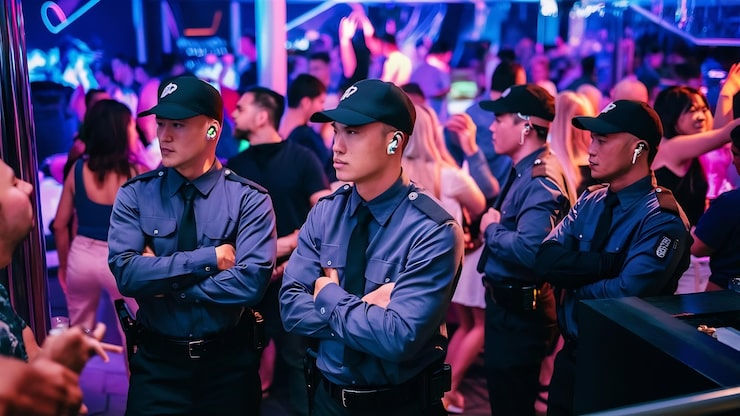
When you hire security for event, you're not just adding a visible deterrent — you're putting trained professionals in charge of crowd flow, entry management, and incident prevention. For concert organisers and festival planners, effective crowd control directly affects guest safety, operational efficiency, and the overall event experience. The right security team keeps queues moving, manages entry points, and prevents dangerous overcrowding before it starts.
Why Crowd Control Is the Most Critical Security Function at Live Events
Crowds are unpredictable. A smooth-running festival can turn dangerous within minutes if entry bottlenecks build, crowd surges go unmanaged, or access points become overwhelmed. According to the Health and Safety Executive (HSE), crowd-related incidents are among the leading causes of serious injury at public events in the UK — and most are preventable with proper planning and trained personnel on the ground.
The 2021 Astroworld tragedy — though it occurred in the US — prompted UK event safety bodies to revisit crowd crush risk assessments at domestic festivals. The Event Safety Alliance and the Purple Guide (the UK's primary guidance for events) both stress that qualified security personnel are a non-negotiable element of any crowd safety strategy.
What Does Event Security Actually Do for Crowd and Guest Management?
When you hire security for an event, the scope goes well beyond standing at a door. Professional event security teams take on a structured set of responsibilities built around keeping people safe and the event running without disruption.
Entry Point Management
Entry is where crowd pressure is highest. Trained security officers manage ticket scanning lanes, credential checks, and bag searches while simultaneously reading crowd density. They identify where queues are backing up and communicate with internal teams to open additional lanes or hold entry temporarily. A well-managed entry reduces the risk of gate-rushing and sets the tone for the entire event.
Queue Control and Crowd Flow
Long queues without proper management create frustration, confrontation, and crush risks. Security teams use barrier positioning, verbal guidance, and zone-based staffing to keep people moving steadily. They're trained to spot early signs of crowd stress — pushing, noise escalation, compressed spacing — and act before those signs become incidents.
Capacity Monitoring and Overcrowding Prevention
For concerts and festivals with multiple stages or zones, security teams work in coordination with site management to monitor real-time capacity. When a zone approaches its safe limit, officers redirect guests to alternative areas, manage exit flow, and communicate directly with event control. This live monitoring function is what prevents dangerous overcrowding from developing gradually and going unnoticed.
Guest Management and Conflict De-escalation
Not every security interaction involves a physical threat. Much of what event security does involves guest guidance — directing lost attendees, responding to medical assists, managing intoxicated guests, and de-escalating verbal disputes before they become physical. Skilled officers understand that their role is as much about communication as it is enforcement.
How to Hire Security for an Event: What Concert and Festival Organisers Need to Know
Choosing the right security provider requires more than checking availability and price. Here's what to evaluate before you sign a contract:
SIA Licensing: Every front-line security officer working at a public event in the UK must hold a valid Security Industry Authority (SIA) licence. This is a legal requirement, not a preference. Verify it before anything else.
Event-Specific Experience: General commercial security and event security are different disciplines. Look for providers with a proven track record at concerts, festivals, or large-scale public gatherings.
Crowd Management Expertise: Ask specifically about their approach to crowd flow planning, capacity management, and emergency evacuation procedures.
Communication Systems: Professional event security teams use coordinated radio communication, incident reporting protocols, and integration with event control rooms.
Staffing Ratios: The appropriate officer-to-attendee ratio varies by event type, venue layout, and risk level. A reputable provider will carry out a site assessment and recommend appropriate numbers — not just fill a roster.
Risk Assessment and Planning: Look for providers who contribute to the pre-event safety planning process, not just show up on the day.
How Many Security Staff Does Your Event Need?
There is no universal formula, but the Purple Guide recommends using a structured risk assessment to determine staffing levels based on event type, audience demographics, alcohol presence, venue size, and historical incident data. As a general indicator:
Event Type | Approximate Security Ratio |
General public festival (low risk) | 1 officer per 100–150 attendees |
Concert with alcohol licence | 1 officer per 50–75 attendees |
High-capacity outdoor event | Determined by site-specific risk assessment |
These are starting points, not absolutes. Always confirm ratios with your security provider during the planning stage.
The Cost of Getting It Wrong
Underinvesting in event security carries real consequences. Beyond the obvious safety risks, organisers face licence revocations, civil liability, and reputational damage that can end future events entirely. Local authorities in the UK can — and do — shut down events mid-operation if crowd safety standards are not being met. The financial cost of a reactive response after an incident far exceeds the cost of proper security from the outset.
Insurance providers are also increasingly scrutinising event security arrangements. Many public liability policies include clauses that reduce or void coverage if minimum security standards were not observed — meaning poor crowd control planning isn't just a safety issue, it's a financial one.
Planning Security Around Your Event's Unique Layout
No two events share the same risk profile. A festival with multiple outdoor stages, food vendors, and campsite areas demands a completely different security deployment than a single-venue concert. Effective event security planning starts with a detailed site walkthrough — identifying choke points, emergency exit routes, high-traffic zones, and areas where crowd density is likely to peak.
Good security providers map staffing against your event schedule, not just your headcount. The moment a headlining act takes the stage, crowd dynamics shift significantly. Deployment plans need to account for those surges in advance.
Work With a Provider Who Understands Events from the Inside
Enfort Security brings specialist expertise in event crowd control and guest management, working with organisers across the UK to develop deployment plans that address entry management, capacity monitoring, and guest safety from the ground up. Their teams are SIA-licensed, experienced in live event environments, and trained to operate within the frameworks that professional event safety demands. For concert organisers and festival planners who need a security partner — not just a supplier — Enfort Security offers the operational depth that high-attendance events require.
Frequently Asked Questions
What qualifications should event security staff have in the UK?
All front-line event security officers in the UK must hold a valid SIA (Security Industry Authority) licence, specifically a Door Supervisor or Security Guard licence depending on their role. Additional training in crowd management, first aid, and conflict resolution is strongly advisable for anyone working at high-attendance events.
How far in advance should I hire security for a festival or concert?
You should engage a security provider at least 8–12 weeks before a large event. This allows time for site assessments, staffing plans, risk assessments, and coordination with local authorities or licensing bodies — all of which are essential for events above a certain capacity threshold.
What is the difference between door supervisors and crowd management staff?
Door supervisors handle access control, search procedures, and ejections, and must be SIA-licensed. Crowd management staff focus on directing guest flow and managing crowd density. For most concerts and festivals, you'll need both roles deployed as part of a coordinated event security plan.
Can event security help prevent crowd crushes?
Yes. Trained security officers monitor crowd density, identify compression risks, manage entry flow, and communicate with event control to take preventive action. Crowd crush prevention depends heavily on proactive monitoring and early intervention — not reactive responses once a situation has already developed.


Comments