How to Hire Security for an Event in Singapore: A Step-by-Step Checklist


To hire security for an event in Singapore, start at least four to six weeks in advance. Define your crowd size, venue layout, and risk level. Then shortlist licensed security agencies, verify their credentials with the Singapore Police Force, request detailed proposals, and confirm staffing numbers, duties, and emergency protocols before signing any contract.
Planning an event in Singapore — whether it's a corporate dinner, product launch, or large-scale concert — comes with real safety responsibilities. Yet for many first-time organisers, security is the last thing added to the checklist and the first thing that causes problems on the day. When you hire security for an event, the process involves much more than calling an agency and booking warm bodies. This guide removes the guesswork entirely, giving you a clear timeline, the right questions to ask, and a practical checklist you can use right now.
Why Event Security in Singapore Requires Early Planning
Singapore has strict regulations around private security. Under the Private Security Industry Act (Chapter 250A), all security officers must be licensed by the Police Licensing and Regulatory Department (PLRD). Agencies must also hold a valid Security Agency Licence. This means you cannot simply hire unlicensed individuals as crowd managers or bouncers — doing so puts your event and your organisation at legal risk.
Beyond compliance, experienced security vendors book out quickly — especially during peak event seasons like Q4 and around major national holidays. Starting early gives you leverage in negotiations and time to properly brief your team.
Step-by-Step Checklist to Hire Security for Your Event
Step 1: Define Your Event's Security Needs (6–8 Weeks Before)
Before approaching any agency, you need a clear picture of your event's risk profile. Ask yourself:
How many attendees are expected?
Is the event public or invite-only?
Will alcohol be served?
Are there VIPs or high-profile guests requiring close protection?
What is the venue layout — indoor, outdoor, multi-level?
Are there restricted areas, cash handling zones, or media access points?
The answers shape everything — from the number of officers you need to the specific roles they will perform. A 200-person corporate dinner has very different requirements from a 2,000-person outdoor concert.
Step 2: Shortlist Licensed Security Agencies (5–6 Weeks Before)
Use the PLRD's public register to verify that any agency you're considering holds a valid Security Agency Licence in Singapore. Do not skip this step. Then evaluate agencies based on:
Proven experience with similar event types and crowd sizes
Availability of trained event security officers (not just general guards)
References from recent event clients
In-house training standards and officer certifications
Ability to provide a site assessment before the event
Aim for a shortlist of two to three agencies so you can compare proposals meaningfully.
Step 3: Request Detailed Proposals and Ask the Right Questions (4–5 Weeks Before)
A serious agency will provide a written proposal that goes well beyond a headcount and a price. When reviewing proposals or meeting vendors, ask these questions directly:
Question to Ask | Why It Matters
|
Are all your officers PLRD-licensed? | Legal compliance — non-negotiable in Singapore |
Will you conduct a site recce before the event? | Shows professional preparation and risk assessment capability |
What is your emergency and escalation protocol? | Critical for managing incidents without disrupting the event |
How will officers be deployed across the venue? | Reveals understanding of crowd flow and access control |
Who is the on-site security commander? | Ensures clear accountability and a single point of contact |
What happens if an officer calls in sick on the day? | Tests contingency planning and backup staffing policies |
If an agency cannot answer these questions confidently, move on. The quality of their answers tells you more than their brochure ever will.
Step 4: Conduct a Joint Site Assessment (3–4 Weeks Before)
Walk through the venue with your chosen security team before anything is confirmed. A professional event security services provider will map entry and exit points, identify blind spots, assess crowd congestion risks, and recommend camera or communication equipment placement. This step turns a generic security plan into one built specifically for your event.
Step 5: Confirm Staffing Ratios and Roles in Writing (2–3 Weeks Before)
As a general reference point, industry practice in Singapore suggests roughly one security officer per 50 to 100 attendees for standard events, with higher ratios for high-risk or alcohol-licensed events. Your contract should specify:
Total number of officers on duty
Specific roles: access control, crowd management, VIP escort, perimeter patrol
Shift start and end times, including pre-event setup coverage
Uniform and identification requirements
Communication tools — radios, earpieces, and reporting structures
Vague contracts lead to vague performance. Get it all in writing.
Step 6: Brief the Security Team Thoroughly (1–2 Days Before)
Even the best security officers perform better with a proper event briefing. Share your full run-of-show, including guest arrival times, VIP movement schedules, restricted zones, media arrangements, and any known sensitivities. Introduce the security commander to your event manager so both teams can coordinate seamlessly on the day.
Common Mistakes Event Organisers Make When Hiring Security
Avoiding these pitfalls can save your event — and your reputation.
Hiring too late: Leaving security to the last two weeks often means scraping together a team that hasn't been briefed properly.
Choosing on price alone: The cheapest option almost always reflects undertrained staff or unlicensed workers.
No written scope of work: Verbal agreements fall apart under pressure. Always document roles, shifts, and emergency procedures.
Ignoring post-event duties: Security coverage should extend through venue clear-out, not just until the last performer exits the stage.
Skipping the site walk: A security plan that hasn't accounted for the actual venue layout is a plan that will fail when it matters.
What to Expect from Professional Event Security Services
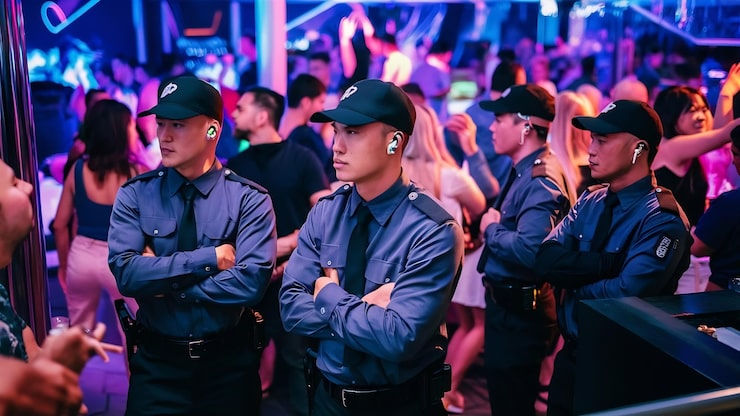
Reputable event security services in Singapore go well beyond standing at the door. A capable team will integrate with your event operations, manage queue flow, handle access disputes calmly and professionally, and respond to medical or safety incidents as a first layer of response before emergency services arrive.
They should also provide a post-event incident report — a document that captures anything that occurred during the event. This is valuable for insurance purposes, future planning, and demonstrating duty of care.
Final Thoughts
Hiring event security in Singapore is not a box-ticking exercise. It is a critical operational function that protects your guests, your venue, your staff, and your organisation's credibility. Follow this checklist, ask the hard questions early, and give your security partner enough time to do their job well. For events that demand professional, licensed, and operationally sharp security coverage, Enfort Security offers specialist event security services built around Singapore's unique regulatory environment and the diverse demands of modern events.
Frequently Asked Questions
How far in advance should I hire security for an event in Singapore?
You should engage a security agency at least four to six weeks before your event. This gives time for site assessments, contract finalisation, and proper briefings. For large-scale or high-profile events, eight weeks is advisable to ensure you secure an experienced, fully licensed team.
How many security guards do I need for an event?
A common industry benchmark in Singapore is one security officer per 50 to 100 attendees for standard events. Higher-risk events — those with alcohol service, VIP guests, or large outdoor crowds — typically require a higher ratio. Your security agency should recommend staffing levels after a site assessment.
Do event security officers in Singapore need to be licensed?
Yes. Under Singapore's Private Security Industry Act, all security officers must hold a valid licence issued by the Police Licensing and Regulatory Department (PLRD). Hiring unlicensed personnel is a legal offence. Always verify your agency's licence and the individual officers' credentials before confirming any booking.
What questions should I ask a security agency before hiring them?
Ask whether all officers are PLRD-licensed, how they handle emergencies on-site, whether they conduct a pre-event site recce, and what their contingency plan is if an officer is unavailable. A professional agency will answer these questions clearly and back them up with a detailed written proposal.
What is included in professional event security services?
Professional event security services typically include access control, crowd management, VIP escort, perimeter patrols, emergency response coordination, and post-event incident reporting. The scope should be customised to your event type, venue layout, and guest profile — and confirmed in writing before the event date.
Can I hire security for a small private event in Singapore?
Yes. Licensed security agencies in Singapore serve events of all sizes, from intimate private functions to large public gatherings. Even for smaller events, professional security adds a layer of safety and professionalism. Discuss your specific requirements with the agency so they can recommend the right team size and roles.

Comments